Imagine your ideal living room. You probably picture a comfy sofa, a functional coffee table, and plenty of art and décor. We tend to focus on the fun and beauty of interior design and sometimes forget the potential hazards associated with furniture, especially when children are involved. At Woodbridge Interiors, we’re committed to helping our customers in Arizona, California, and Pennsylvania find the perfect furniture for their lifestyles—and that often includes considering child safety. Check out our guide to securing your furniture and creating a safe environment for little ones to grow and thrive. 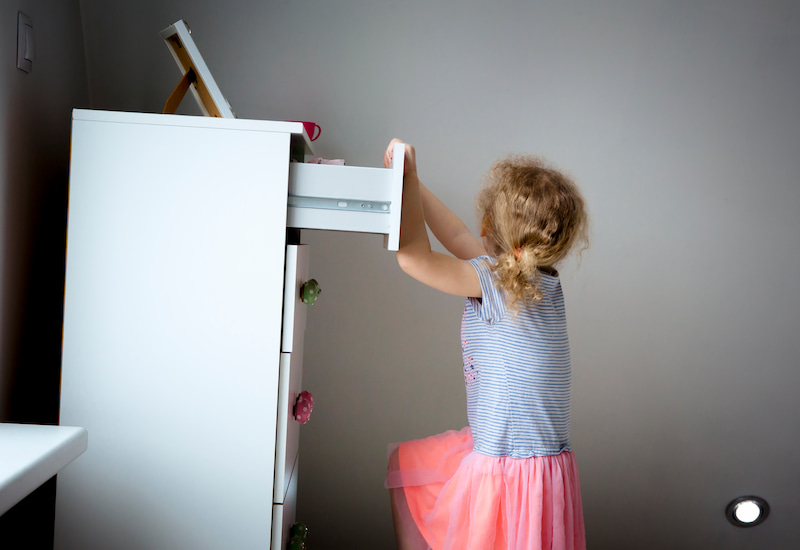
Child Safety Concerns and Furniture
Whether you’re moving into a new home or recently welcomed a baby into your current place, childproofing is a must. Furniture can be a significant safety concern and shouldn’t be overlooked. Heavy pieces, like bookshelves and dressers, can pose serious threats if they topple over, especially when curious little climbers make them teeter. Sharp corners on coffee tables and nightstands are notorious for unpleasant encounters, even among adults. Parents should also be mindful of smaller furniture accessories, such as lamps and decorative items, which can break and cause injuries if mishandled.
Why Furniture Safety Is Important
Furniture safety is an essential part of home safety. In fact, it has a direct impact on the well-being of household members, particularly children and seniors. When you invest time and energy into securing your furniture, you can help avoid the following:
- Accidental Injury—We’ve all stubbed a toe on a chair leg or scraped our knees along sharp furniture edges. These accidents can be very painful for adults and are only more dangerous for children. Securing your furniture can reduce the chances of injury and save you a trip to the doctor.
- Fire—Poor furniture placement and lack of safety measures can increase the risk of a house fire. Consider fire-resistant fabrics and make sure to place all furniture a safe distance from outlets and other fire hazards.
- Tip Overs—The last thing you want to think about is a dresser or nightstand tipping over and falling onto a child. Unfortunately, this happens all too often as young children start to explore their world. Anchoring your furniture is an excellent way to avoid this danger.
How to Secure Your Furniture
Once you know the risks associated with some types of furniture, you can better take steps to protect your children. We recommend securing your furniture with tried-and-true anchors. Not only does this prevent tip-overs, but it also keeps your furniture from sliding around. Here are our recommendations for furniture safety measures:
Anchoring Kits
Anchoring kits are sets of tools and hardware designed to secure furniture to the wall. These kits typically include straps, brackets, screws, and other necessary components for attaching furniture safely. You can purchase several types of anchoring kits, some of which include steel cables, straps, and bracket systems. Use this step-by-step process as a guideline when using an anchoring kit:
- Choose the Right Location—Identify some good locations for your furniture where it won’t contribute to clutter or block walkways. If you plan to use an anchoring kit, you’ll need to pick a place near the wall.
- Place Studs—Use a stud finder at the chosen location against the wall to ensure a secure anchoring point.
- Drill Holes—Attach the properly sized bit to a drill and create a hole for securing the anchor. This can provide a guide for inserting the brackets.
- Insert Brackets—Line up the bracket over the holes you just drilled and install screws into the stud using a screwdriver. Ensure the bracket is firmly attached to the wall.
- Secure the Straps—Attach the strap to the bracket and check for a tight and secure connection between the furniture and the wall. Your anchoring system is now fully installed!
Padding
Perhaps a full anchoring system isn’t necessary to achieve the level of child safety you need. In that case, consider doing some light childproofing with furniture pads. These soft pads secure only sharp, pointy furniture edges and prevent painful scratches and lacerations. Consider attaching pads to these pieces:
- Coffee tables
- Nightstands
- Chests
- End tables
- Desks
Drawer Locks
Drawer locks are another simple way to childproof a home. These straightforward devices prevent children from accessing drawers containing harmful objects such as sharp tools, toxic substances, or small items that pose choking hazards. By keeping these drawers securely locked, you can significantly reduce the risk of accidents and injuries and create a safer environment for curious toddlers and young children.
Tips for Safe Furniture Use and Placement
Beyond anchoring kits and pads, you can take a variety of other preventative measures that promote child safety. Take some of our tips for using and placing furniture safely:
Inspect Furniture Regularly
Periodically check all furniture for wobbliness, loose parts, or weakening structures. Should you discover any issues, immediately make repairs or replacements.
Be Thoughtful About Placement
Proper placement is key for child safety. Position heavy furniture, like bookcases and chests, against wall studs to provide extra stability. If you want to place sofas and chairs in the middle of a room, be aware of clutter and be sure to tidy up frequently. Don’t allow furniture to block high-traffic areas or walkways.
Consider Weight Distribution
When thinking about proper furniture placement, it’s easy to forget about all the items that will go on top of your furnishings. As you load shelves or fill drawers, be aware of weight distribution. We suggest putting the heaviest items at the bottom and saving the lighter items for the top. This is a good practice that keeps furniture from becoming top-heavy and tipping over.
Install TV Wall Mounts
Instead of placing televisions on stands, consider mounting them directly to the wall to eliminate tipping hazards.
Talk to Kids about Furniture Safety
Make it a point to educate children about the dangers of climbing on furniture and explain why they should avoid such behaviors. While kids don’t always do as we say (and sometimes do the opposite!), it’s often helpful to be upfront with children about these dangerous situations and how to avoid them. Don’t resort to scare tactics, but be realistic about the hazards.
There’s No Substitute for Supervision
At the end of the day, no amount of childproofing can replace adult supervision. If your children are often out of sight, consider fencing off a play area in the living room without any heavy furniture or sharp edges.
Explore the Selection at Woodbridge Interiors
Child safety is at the top of parents’ minds, and it should remain that way during the furniture shopping process. At Woodbridge Interiors, we proudly carry numerous home furnishings that lend themselves well to childproofing. When you visit one of our locations, simply let us know that you need pieces that pose minimal danger to young kids. Stop by in person or contact us today with questions.